

Ashwagandha benefits have made this herbal supplement increasingly popular among Canadians looking for natural ways to support stress management, sleep, and overall wellness. Many people use ashwagandha to help improve relaxation, increase energy, and support mental focus. However, before starting any supplement, it is important to understand both the potential benefits and possible side effects.
At Viva Health Pharmacy, we believe patients should make informed healthcare decisions based on reliable information and professional guidance. While ashwagandha may help some individuals, it is not suitable for everyone and should always be used responsibly.
If you are considering this supplement, understanding ashwagandha benefits, safety concerns, medication interactions, and proper use can help you decide whether it may be right for you.
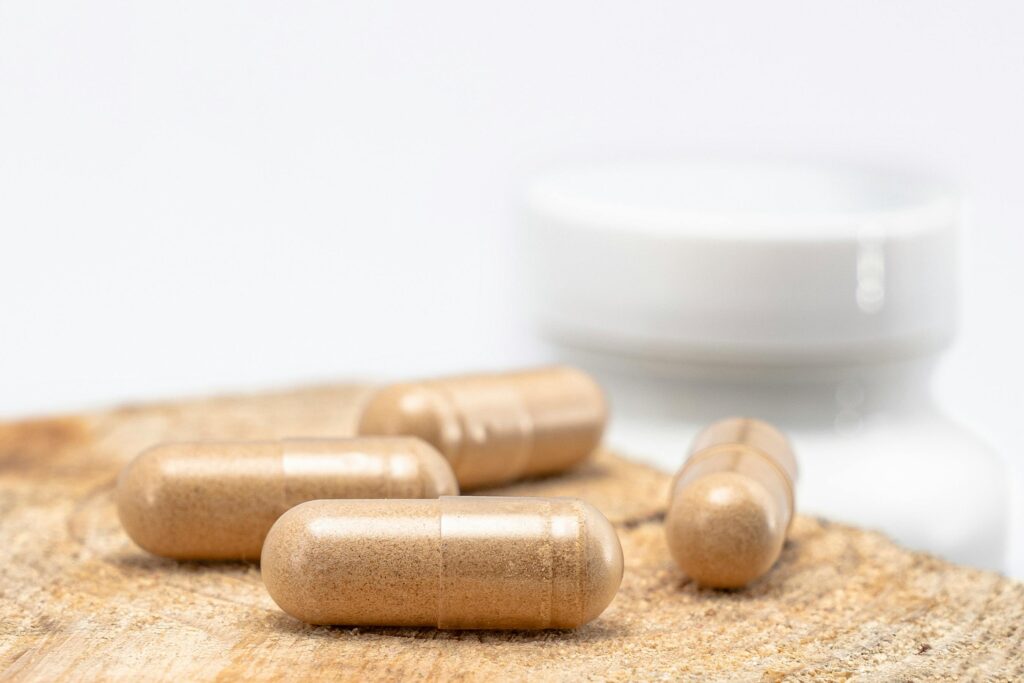
What Is Ashwagandha?
Ashwagandha is a traditional herbal supplement commonly used in Ayurvedic medicine. It is often classified as an adaptogen, meaning it may help the body manage stress more effectively.
Ashwagandha supplements are available in several forms, including:
- Capsules
- Tablets
- Powders
- Gummies
- Liquid extracts
Many people use ashwagandha supplements hoping to support:
- Stress reduction
- Better sleep
- Energy levels
- Mental focus
- Overall wellness
Although interest in ashwagandha continues growing, research is still ongoing regarding its long-term effects and benefits.
1. Ashwagandha Is Commonly Used for Stress Support
One of the most well-known ashwagandha benefits is stress support.
Some studies suggest ashwagandha may help reduce cortisol, which is often called the body’s stress hormone.
Because of this, many individuals use ashwagandha to help manage:
- Daily stress
- Mental fatigue
- Anxiety symptoms
- Burnout
- Emotional tension
However, results vary from person to person, and supplements should not replace professional mental health care when needed.
At Viva Health Pharmacy, we encourage patients experiencing significant anxiety or emotional distress to speak with healthcare professionals for personalized guidance.
2. Ashwagandha May Help Improve Sleep
Some people report feeling calmer and sleeping better after using ashwagandha regularly.
This is one reason why the supplement has become popular among individuals struggling with:
- Difficulty falling asleep
- Restlessness
- Stress-related sleep issues
However, ashwagandha is not a traditional sleeping pill. Its effects are usually more gradual and may depend on consistent use alongside healthy sleep habits.
Helpful sleep habits still include:
- Limiting screen time before bed
- Reducing caffeine intake
- Maintaining a regular sleep schedule
- Managing stress levels
Supplements often work best when combined with healthy lifestyle routines.
3. Ashwagandha May Cause Side Effects
Although many people tolerate ashwagandha well, side effects are still possible.
Potential side effects may include:
- Upset stomach
- Nausea
- Drowsiness
- Headaches
- Digestive discomfort
- Dizziness
Some people may feel overly sleepy after taking ashwagandha, especially when combined with other calming supplements or medications.
This is why following dosage instructions carefully is extremely important.
4. Ashwagandha Is Not Safe for Everyone
One important fact many people overlook is that ashwagandha may not be appropriate for everyone.
Individuals who should speak with a healthcare professional before using ashwagandha include:
- Pregnant women
- Breastfeeding mothers
- People with thyroid conditions
- Patients with autoimmune disorders
- Individuals taking sedative medications
Ashwagandha may affect hormone levels and immune system activity, making professional guidance important for certain individuals.
At Viva Health Pharmacy, our pharmacists help patients understand supplement safety and possible risks.
https://www.vivahealthpharmacy.com/
5. Ashwagandha May Interact With Medication
Another important consideration is medication interactions.
Ashwagandha may interact with:
- Anxiety medication
- Sleep medication
- Thyroid medication
- Blood pressure medication
- Diabetes medication
For example, combining ashwagandha with sedatives may increase drowsiness.
Patients taking prescription medications should always speak with a pharmacist or healthcare provider before starting supplements.
Professional advice helps improve supplement safety and reduce unnecessary risks.
6. Product Quality Matters
Not all ashwagandha products are created equally.
Some supplements may vary significantly in:
- Ingredient quality
- Dosage accuracy
- Purity
- Manufacturing standards
Lower-quality products may contain fillers or inconsistent herbal concentrations.
At Viva Health Pharmacy, we help patients choose trusted supplement brands that meet quality standards and safety expectations.
Choosing products from a reliable pharmacy helps reduce the risk of low-quality supplements.
7. Healthy Lifestyle Habits Still Matter Most
Although many people are interested in ashwagandha benefits, supplements alone cannot replace healthy lifestyle habits.
Long-term wellness still depends heavily on:
- Good sleep
- Stress management
- Exercise
- Balanced nutrition
- Mental health support
Ashwagandha may support wellness for some individuals, but it should never be viewed as a miracle solution.
At Viva Health Pharmacy, we encourage patients to focus on complete wellness rather than relying entirely on supplements.
How Viva Health Centre Supports Your Overall Wellness
Stress, fatigue, poor sleep, and low energy levels may sometimes relate to underlying health conditions that require professional medical assessment.
At Viva Health Centre, patients can access healthcare services that support long-term wellness and preventive care.
Our healthcare providers help patients with:
- Family medicine services
- Mental health support
- Preventive healthcare
- Weight management guidance
- General wellness consultations
Sometimes symptoms such as fatigue, anxiety, or sleep difficulties may benefit from professional medical evaluation rather than supplements alone.
By combining pharmacy support from Viva Health Pharmacy with healthcare services from Viva Health Centre, patients receive more complete and personalized care.
Can Ashwagandha Increase Energy Levels?
Some individuals use ashwagandha hoping to improve energy and reduce fatigue.
Because stress and poor sleep often contribute to exhaustion, some users report feeling more balanced and energized after consistent use.
However, results vary between individuals, and supplements may not address the underlying cause of fatigue.
Persistent fatigue should always be discussed with a healthcare provider.
Why Patients Trust Viva Health Pharmacy
Patients choose Viva Health Pharmacy because we provide:
- Professional supplement guidance
- Medication counseling
- Personalized healthcare support
- Friendly pharmacy services
- Free prescription delivery in Richmond Hill
Our pharmacy team helps patients make informed decisions about supplements, medications, and wellness products safely and confidently.
Internal Link:
https://www.vivahealthpharmacy.com/pharmacy-delivery-in-richmond-hill/
Final Thoughts
So, what should you know about ashwagandha benefits and side effects?
Ashwagandha may help some individuals support stress management, relaxation, and overall wellness. However, it is not suitable for everyone and may cause side effects or medication interactions in certain cases.
Before starting any supplement, it is always best to speak with a healthcare professional or pharmacist.
At Viva Health Pharmacy and Viva Health Centre, we are committed to helping patients make safe and informed healthcare decisions.
If you have questions about supplements, medications, or wellness products, our healthcare team is here to help.