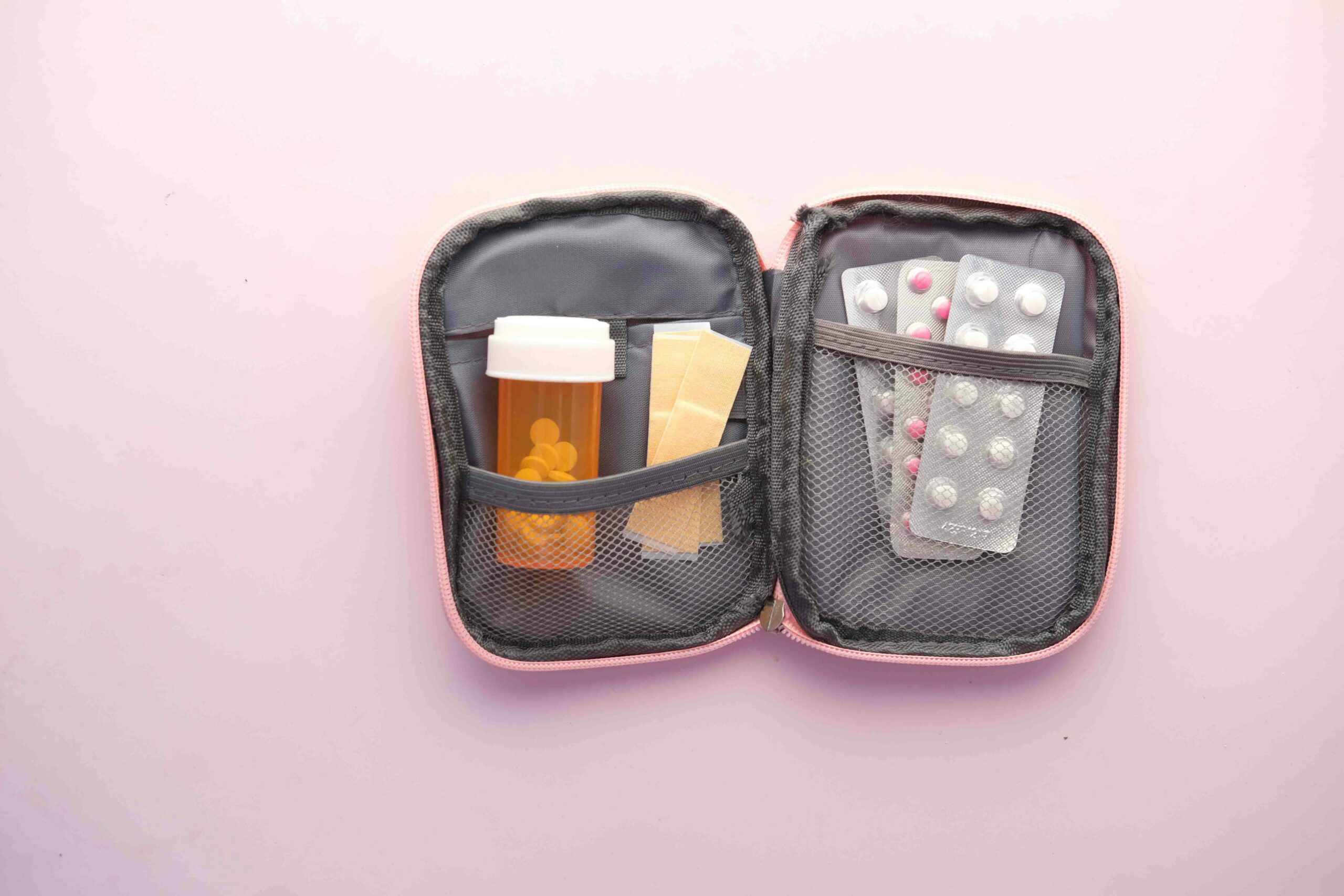


How much vitamin D is Too Much Vitamin D is a common question, especially in Canada, where many people rely on supplements due to limited sun exposure. While vitamin D is essential for bone health, immunity, and overall wellness, taking too much can lead to serious health problems.
Vitamin D is a fat-soluble vitamin, which means it builds up in the body over time. Unlike water-soluble vitamins, excess amounts are not easily eliminated, increasing the risk of toxicity.
According to Health Canada, most adults need about 600 IU daily, and the safe upper limit is 4000 IU per day.
Understanding the right dose—and the risks of exceeding it—is key to staying safe.
Recommended Vitamin D Intake in Canada
The amount of vitamin D you need depends on age and health status.
General Guidelines:
- Adults (19–70): ~600 IU/day
- Adults 70+: ~800 IU/day
- Upper safe limit: 4000 IU/day
Some individuals may require higher doses temporarily, but this should always be done under medical supervision.
What Happens If You Take Too Much Vitamin D?
Taking too much vitamin D can lead to a condition called vitamin D toxicity (hypervitaminosis D).
This usually happens due to high-dose supplements, not from food or sunlight.
Main Problem:
Too much vitamin D causes high calcium levels in the blood (hypercalcemia), which can damage organs.
According to the Mayo Clinic, excess vitamin D can lead to serious complications if not addressed.
Symptoms of Too Much Vitamin D
Symptoms often develop gradually and may be mistaken for other conditions.
Early Symptoms:
- Nausea
- Vomiting
- Loss of appetite
- Constipation
Advanced Symptoms:
- Weakness and fatigue
- Confusion
- Frequent urination
- Dehydration
- Kidney problems
In severe cases, vitamin D toxicity can lead to kidney damage and abnormal heart rhythms.
How Much Vitamin D Is Considered Too Much?
For most adults:
- Safe: up to 4000 IU/day
- Potential risk: above 4000 IU daily long-term
- Toxicity risk: often above 10,000 IU daily over time (without supervision)
Health experts recommend avoiding high-dose supplementation unless prescribed by a healthcare provider.
Who Is at Higher Risk?
Some people are more sensitive to high vitamin D levels.
Higher-risk groups:
- People taking high-dose supplements
- Individuals with kidney disease
- Those with certain hormonal conditions
- Older adults
- People taking calcium supplements
Even moderate doses may become harmful if taken for long periods without monitoring.
Why Canadians Take Vitamin D Supplements
Vitamin D deficiency is common in Canada due to:
- Long winters
- Limited sunlight exposure
- Indoor lifestyles
- Use of sunscreen
Between October and April, sunlight is often not strong enough for natural vitamin D production in Canada.
Because of this, supplements are widely used—but overuse can become a problem.
Can You Get Too Much Vitamin D from Food or Sun?
No—vitamin D toxicity almost always comes from supplements.
- Food contains relatively low amounts
- The body regulates vitamin D from sunlight
This means the main risk comes from taking high-dose supplements without guidance.
How to Take Vitamin D Safely
To stay safe while supplementing:
1. Stick to Recommended Doses
Avoid exceeding 4000 IU daily unless prescribed.
2. Avoid Combining Multiple Supplements
Check labels—many products contain vitamin D.
3. Monitor Blood Levels
A simple blood test can show if levels are too high or low.
4. Talk to Your Pharmacist
Especially if you take other medications or supplements.
You can speak with a pharmacist here:
https://www.vivahealthpharmacy.com/contact/
When Should You Take Higher Doses?
Higher doses may be prescribed if:
- You have vitamin D deficiency
- You have osteoporosis
- You have certain chronic conditions
However, this should always be monitored by a healthcare provider.
Warning Signs You Should Not Ignore
Stop supplements and seek medical advice if you experience:
- Persistent nausea
- Unexplained fatigue
- Frequent urination
- Muscle weakness
- Confusion
These may indicate excessive vitamin D levels.
Quick Checklist: Safe Vitamin D Use
✔ Recommended: 600–800 IU daily
✔ Safe upper limit: 4000 IU
✔ Avoid long-term high doses
✔ Monitor symptoms
✔ Consult healthcare providers
FAQs About Vitamin D Dosage
How much vitamin D is too much?
More than 4000 IU per day long-term may increase the risk of toxicity.
Is 2000 IU safe daily?
Yes, for most adults, 2000 IU is considered safe.
Can I take vitamin D every day?
Yes, if taken within recommended limits.
What causes vitamin D toxicity?
Usually high-dose supplements taken over time.
Final Takeaway
How much vitamin D is too much depends on how much you take and for how long.
Key Points:
- Vitamin D is essential—but too much is harmful
- Safe limit for most adults: 4000 IU/day
- Toxicity usually comes from supplements
- Symptoms can develop slowly
- Monitoring and guidance are important
Taking vitamin D the right way helps support your health—without unnecessary risks.nal advice—is the safest way to benefit from vitamin D while avoiding harm.
Not sure how much vitamin D you should take?
Talk to a pharmacist today for personalized advice:
https://www.vivahealthpharmacy.com/contact/